

Trump CANCELS TPS for Minnesota, State Leaders in Full PANIC MODE
Minnesota’s Welfare Fraud Crisis: The Implications of Trump’s Decision to Cancel TPS
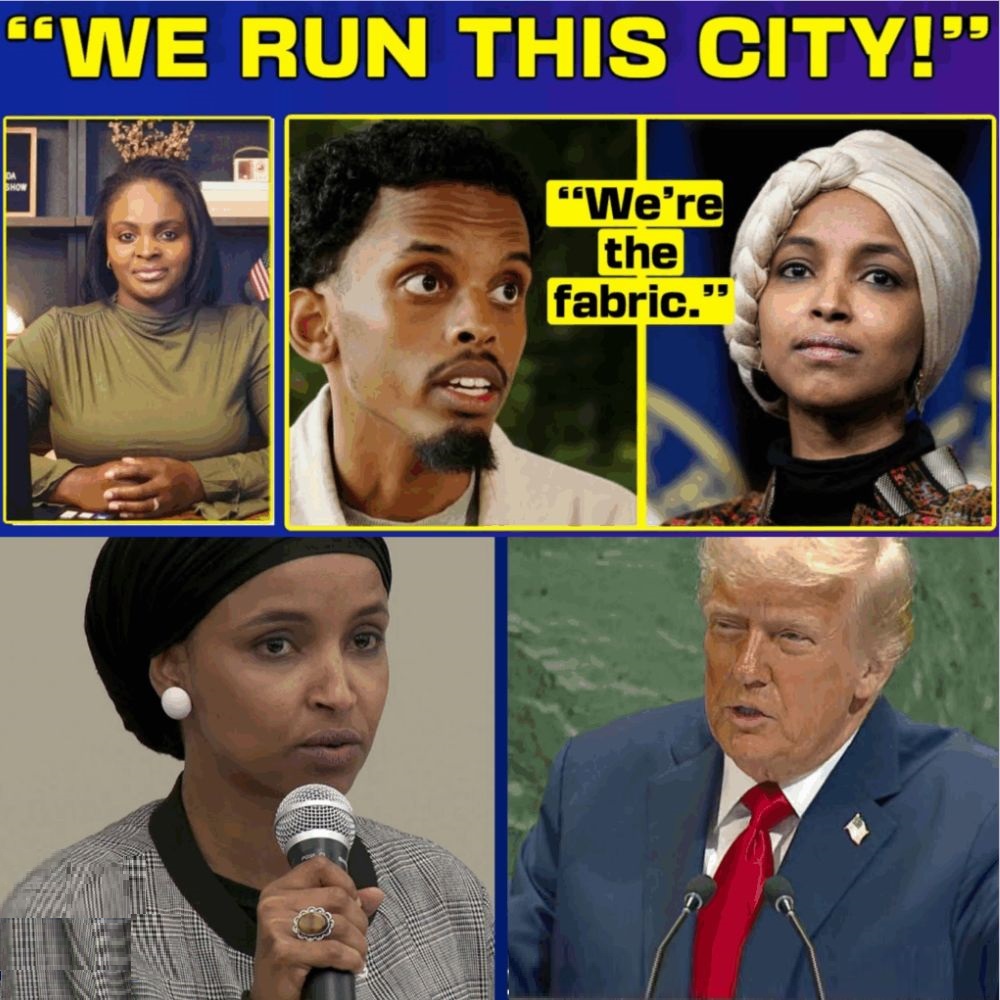
In recent weeks, Minnesota has found itself at the center of a controversial political storm, with President Trump announcing plans to revoke Temporary Protected Status (TPS) for Somali immigrants in the state. This decision has sent shockwaves through the community and has sparked a heated debate about immigration, welfare fraud, and the responsibilities of government officials. As allegations of widespread fraud within Minnesota’s welfare system come to light, the implications of Trump’s actions are becoming increasingly significant.
The Context of Temporary Protected Status
Temporary Protected Status is a humanitarian program that allows individuals from countries experiencing crises—such as civil war, natural disasters, or other extraordinary conditions—to live and work in the United States without the threat of deportation. For many Somali immigrants in Minnesota, TPS has provided a vital lifeline, enabling them to build lives and contribute to their communities.
However, the recent announcement by President Trump to potentially end TPS for Somalis has raised alarms among advocates and community leaders. Critics argue that such a move would destabilize the lives of thousands of families and undermine the contributions that Somali immigrants have made to Minnesota’s economy and culture.
Allegations of Fraud in Minnesota’s Welfare System
The backdrop to Trump’s announcement is a series of alarming reports detailing what is now being referred to as the largest welfare fraud scheme in Minnesota’s history. Investigations have revealed that certain programs designed to assist vulnerable populations, such as seniors, recovering addicts, and homeless residents, have been exploited to an extraordinary degree.
One particularly egregious example is the Housing Stabilization Services (HSS) program, which saw costs skyrocket from $2.6 million in 2020 to over $100 million by 2024. This dramatic increase raises serious questions about oversight and accountability within state welfare programs. Critics argue that those responsible for managing these programs should be held accountable for their negligence.
The Autism Fraud Scheme
Perhaps the most shocking aspect of the fraud allegations involves claims related to autism services. Reports indicate that members of the Somali community have engaged in fraudulent activities to exploit Minnesota’s Medicaid system. Specifically, individuals are accused of recruiting families to falsely diagnose their children with autism to access funding meant to support genuine cases.
According to investigations, the number of providers for autism services in Minnesota surged from 41 to 328 in just five years, coinciding with a massive increase in claims. In 2018, claims for autism services amounted to $3 million, but by 2023, that figure had ballooned to nearly $400 million. This staggering rise in claims has raised concerns about the integrity of the system and the potential for abuse.
The Connection to Terrorism
The ramifications of this fraud extend beyond financial implications. Reports suggest that a significant portion of the funds obtained through fraudulent claims is being sent back to Somalia, potentially financing terrorist organizations like al-Shabaab. This connection has heightened national security concerns and prompted calls for immediate action from federal authorities.
In light of these revelations, President Trump has taken a firm stance against the Somali community in Minnesota, labeling it a hub of fraudulent activity. His administration’s decision to revoke TPS is seen as a direct response to the alleged abuses within the welfare system, as well as a broader effort to tighten immigration policies nationwide.
Reactions from Political Leaders
The response from local leaders has been mixed. Congresswoman Ilhan Omar, a prominent figure in the Somali community, has vehemently defended her constituents, arguing that the majority of Somali Americans are law-abiding citizens who contribute positively to society. She has criticized Trump’s decision as politically motivated and harmful to the community.
Omar’s rhetoric emphasizes the importance of acknowledging the contributions of Somali immigrants to Minnesota, asserting that they are integral to the fabric of the state. “Somalis are not terrorizing this nation. We are helping it thrive,” she stated, challenging the narrative that frames the Somali community as a threat.
On the other hand, some local leaders, including Minnesota Attorney General Keith Ellison, have indicated a willingness to fight against Trump’s decision in court. Ellison has vowed to explore all legal options to protect TPS for Somali immigrants, framing the issue as one of justice and human rights.
The Need for Accountability
Amid the political turmoil, there is a growing consensus that accountability is essential. Advocates for reform argue that the welfare system in Minnesota needs a thorough overhaul to prevent future abuses. The current system, which relies heavily on an honor-based approach, has proven vulnerable to exploitation.
Minnesota taxpayers deserve transparency and accountability from their government officials. As the investigations into the welfare fraud continue, it is imperative that those responsible for oversight and management are held accountable for their failures. Without meaningful reform, the cycle of abuse is likely to persist, further undermining public trust in government programs.
The Broader Implications for Immigration Policy
The situation in Minnesota serves as a microcosm of the broader national debate over immigration and welfare policy. Critics of the current administration’s approach argue that it fosters division and fear among immigrant populations, while proponents assert that stricter enforcement is necessary to protect taxpayer dollars and uphold the rule of law.
As the political landscape continues to evolve, it is crucial for all stakeholders—local leaders, community members, and federal authorities—to engage in constructive dialogue. Understanding the complexities of immigration and the unique challenges faced by communities like Minneapolis is essential for finding common ground.
A Call for Unity and Reform
As Minnesota grapples with these challenges, the focus must shift towards building a more equitable and accountable system. Leaders from all backgrounds must come together to address the root causes of the issues at hand. This includes ensuring that those who genuinely need assistance receive it while also safeguarding taxpayer resources from exploitation.
Ilhan Omar’s call for unity resonates with many who believe that the strength of the United States lies in its diversity. “We must stand together to protect our communities and ensure that everyone has a place in this great nation,” she urged during a recent rally.
Conclusion
The unfolding events in Minnesota highlight the urgent need for reform in both welfare and immigration policies. As President Trump moves to revoke TPS for Somali immigrants, the implications of this decision will be felt far beyond the state lines. The allegations of fraud and the connections to terrorism underscore the complexities of the situation, demanding immediate attention and action from all levels of government.
Navigating these turbulent waters will require empathy, understanding, and a commitment to upholding the values that define American society. As the debate continues, it is essential to remember that at the heart of these discussions are real people with hopes, dreams, and aspirations for a better future. The path forward will depend on the willingness of all parties to engage in meaningful conversations and work towards solutions that honor the dignity of every individual.